


My neighbor bathes her Labrador every single week. Mine gets a bath maybe once every 2 months. Both dogs have healthy, shiny coats, and neither of us is doing it wrong.
That contradiction is genuinely the whole point of this guide.
There’s no single correct answer to how often should you bathe your dog, no matter how many times the question gets asked with a “just do X” response online. The real answer depends on coat type, activity level, skin condition, and age, and getting it wrong in either direction, too often or not often enough, can genuinely cause skin problems that a “correct” bathing frequency would have avoided.
Most bathing advice treats this as a single fixed number, once a month, once every 2 weeks, pick one and stick with it forever. That approach ignores that the same dog’s needs can shift across seasons, life stages, and even health changes, which is why a one-size answer rarely holds up in practice for very long.
This guide breaks down exactly how often to bathe a dog by coat type, lifestyle, age, and season, with a genuine decision table you can use right now, plus the specific signs that tell you you’re overdoing it or underdoing it.
Most dogs do well with a bath every 4 to 6 weeks, but the right frequency depends on coat type, activity level, and skin health. Short-coated, low-activity dogs may need baths as infrequently as every 2 to 3 months, while active dogs, oily-coated breeds, and hairless breeds often need baths weekly to every 2 weeks.
Bathing too often can strip natural oils and cause dry, irritated skin, while bathing too rarely can allow dirt, allergens, and odor to build up.
How often should you bathe your dog depends primarily on coat type and activity level, with most dogs doing well every 4 to 6 weeks, active or oily-coated breeds needing baths as often as weekly, and low-activity, short-coated dogs sometimes going 2 to 3 months between baths.
How Often Should You Bathe Your Dog?
There’s genuinely no single number that applies to every dog, and treating this question like it has one answer is where most guides go wrong.
The honest answer to how often should you bathe your dog combines 3 factors together: coat type, how active and messy your dog’s lifestyle is, and whether any skin condition is present. A short-coated, mostly-indoor senior dog and a double-coated, mud-loving young retriever genuinely need completely different bathing schedules, even though both are healthy dogs.
Determining how often you should bathe your dog requires weighing coat type, activity level, and skin health together rather than applying one fixed schedule, since these 3 factors can push the ideal frequency anywhere from weekly to once every 2 to 3 months for equally healthy dogs.
Dog Bathing Frequency Decision Table
Use this table to quickly answer how often should you bathe your dog, then adjust based on your specific dog’s coat, skin, and lifestyle covered in the sections below.
This dog bathing frequency decision table gives a genuine starting point, from weekly baths for oily-coated and hairless breeds to every 2 to 3 months for low-activity, short-coated dogs, with individual coat and skin factors covered in detail throughout the rest of this guide.
Bathing Schedule by Coat Type
Coat type is genuinely one of the biggest factors in how often should you bathe your dog, and it’s more nuanced than length alone.
Coat Length vs Texture, Why Texture Matters More
It’s genuinely tempting to assume shorter hair means less bathing, but that’s not quite right. Coat texture, whether it naturally repels dirt or clings to it, matters more than raw length.
Some coats naturally shed dirt and debris, while others, even short ones, seem to hold onto everything they touch.
Short-Coated Breeds
Breeds like Beagles and Weimaraners generally need bathing less frequently than longer-coated dogs, often every 2 to 3 months for low-activity dogs, since their coats don’t trap as much dirt and debris.
Medium-to-Long Coated Breeds
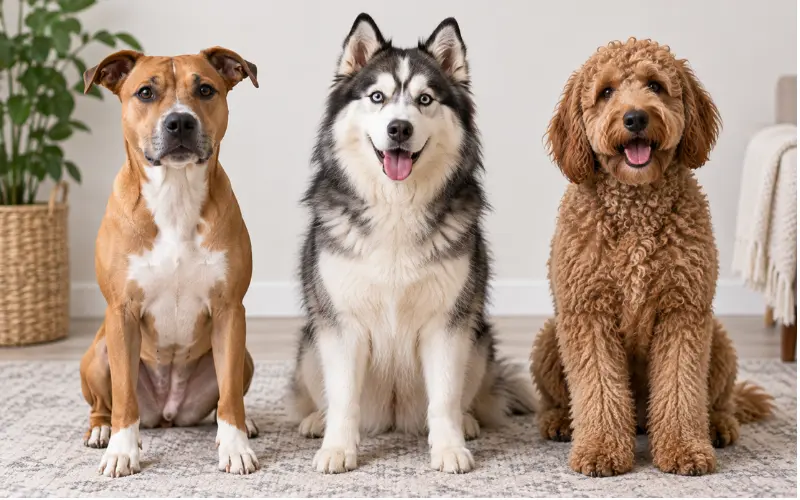
Soft-coated and drop-coated breeds like Poodles, Bichons, Yorkshire Terriers, and Shih Tzus tend to collect oil and debris more readily, and typically need bathing every 4 to 6 weeks to keep coats looking and smelling fresh.
Thick, Double-Coated Breeds
Breeds like Huskies, Golden Retrievers, and Labrador Retrievers naturally insulate seasonally through their double coats. These dogs generally do well with a bath every 1 to 3 months, since overbathing can strip the oil that helps this natural process along.
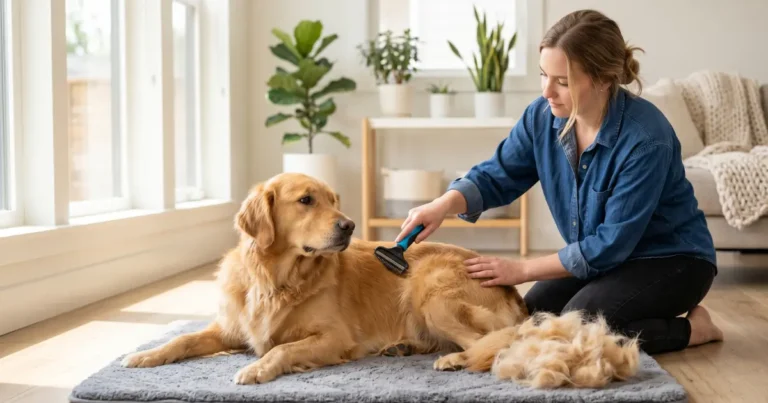
Using a shedding-specific shampoo on double-coated breeds can help manage loose undercoat during bath time without requiring more frequent washing overall. This is generally better for your dog’s skin than simply bathing more often to control shedding.
Hairless and Oily-Coat Breeds
This is a genuine exception most bathing advice skips when answering how often should you bathe your dog. Hairless breeds and dogs with naturally oily coats, like Basset Hounds and Labrador Retrievers with heavier oil production, often need weekly bathing to prevent pore blockages and manage the skin issues that come with these coat types specifically.
For breed-specific grooming guidance, our guide on how to deshed a dog at home covers coat-maintenance techniques that work alongside your bathing schedule.
Bathing Puppies vs Adult Dogs
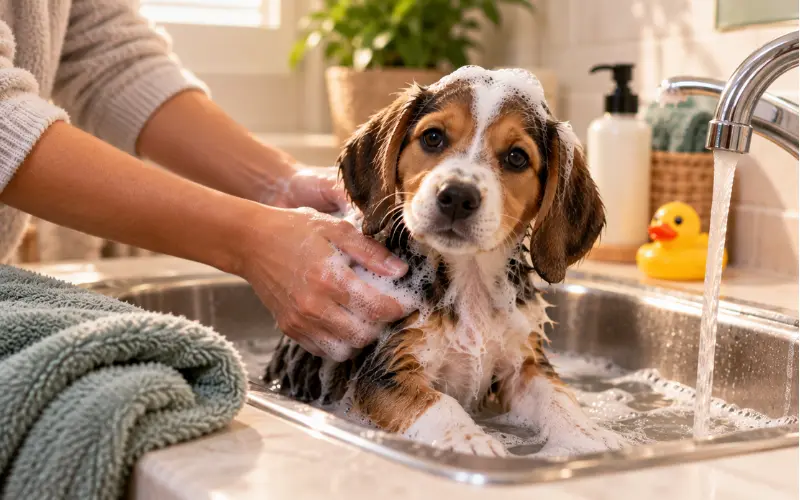
Puppy skin is genuinely more delicate than adult dog skin, and knowing how often should you bathe your dog changes significantly once puppyhood is involved.
- Most puppies shouldn’t be bathed until at least 8 weeks old, once fully weaned and with a stable body temperature.
- Once old enough, puppies generally only need bathing when visibly dirty or smelly, not on a fixed weekly schedule.
- Adult dogs can follow the coat-type and lifestyle guidelines covered throughout this guide more consistently, since their skin barrier is more developed.
Never bathe a puppy under 8 weeks old without your veterinarian’s specific guidance, since very young puppies can’t regulate their body temperature as effectively and are more vulnerable to chilling during and after a bath.
Bathing Frequency by Lifestyle and Activity
Activity level is genuinely one of the strongest factors in how often should you bathe your dog, sometimes outweighing coat type entirely.
According to celebrity dog groomer Jorge Bendersky, an active lifestyle is genuinely easier to manage with a short-coated breed, since keeping the dog clean between baths typically requires less effort than with a longer coat.
Dogs that swim in oceans, play in mud, or spend hours outdoors daily may genuinely need more frequent baths than their coat type alone would suggest, regardless of breed.
- Highly active, outdoor dogs: Every 2 weeks to monthly, depending on how messy the activity typically is.
- Moderately active dogs: Every 4 to 6 weeks works for most.
- Mostly indoor, low-activity dogs: Every 2 to 3 months is often genuinely sufficient.
How Often to Bathe a Dog That Swims
Swimming genuinely changes the math on how often should you bathe your dog, regardless of coat type or general activity level.
- After ocean swims: Rinse thoroughly to remove salt, which can dry skin if left on the coat.
- After pool swims: Rinse off chlorine, which can strip natural oils similarly to over-bathing with harsh shampoo.
- After lake or pond swims: A rinse or light bath helps remove bacteria and algae that natural water sources can carry.
A full shampoo bath after every single swim usually isn’t necessary, a thorough water rinse often covers routine swims, with a real shampoo bath reserved for visibly dirty or particularly messy outings.
Bathing Your Dog in Summer vs Winter
Season genuinely shifts how often should you bathe your dog in both directions.
- Summer: More outdoor activity, more sweat and dirt exposure, and swimming all typically push bathing frequency higher during warmer months.
- Winter: Drier indoor heating can already dry out skin, so overbathing during winter genuinely compounds that dryness. Reducing frequency slightly and adding a moisturizing shampoo or conditioner often helps. Avoid bathing outdoors during cold weather too, since this can cause a dangerous drop in body temperature, particularly for smaller or thin-coated dogs.
Signs Your Dog Actually Needs a Bath
These signs matter more than the calendar when deciding how often should you bathe your dog.
- A noticeable, genuine odor beyond typical “dog smell”
- Visibly dirty, matted, or greasy-looking coat
- Excessive scratching that improves after a bath (suggesting buildup rather than an underlying skin condition)
- Recent rolling in something unpleasant, mud, or a strong-smelling substance
- Visible flakiness or a dull coat texture
Signs You’re Bathing Your Dog Too Often
Getting how often should you bathe your dog wrong in this direction shows up in the coat and skin just as clearly.
- Dry, flaky, or visibly irritated skin
- A dull, brittle coat that’s lost its natural shine
- Increased itching or scratching after baths specifically, not before them
- Coat feeling stripped or straw-like rather than soft
Signs you’re bathing your dog too often include a dull, dry coat, increased itching specifically after baths rather than before them, and skin that feels stripped or irritated, all of which point toward extending the gap between baths rather than continuing the current schedule.
Can You Bathe Your Dog Too Much?
Yes, genuinely, and this is the flip side of how often should you bathe your dog that most guides underplay. Overbathing is one of the most common, preventable causes of dry, irritated skin in otherwise healthy dogs.
A dog’s skin is their largest organ, making up 12 to 24% of their total body weight, and frequent bathing is one of the easier-to-control factors behind many skin conditions dogs experience.
American Kennel Club – Dog Skincare
A dog’s skin makes up 12 to 24% of their total body weight, and excessive bathing is one of the most controllable factors behind dry skin and related skin conditions, meaning adjusting bath frequency downward is often a genuinely effective first step for owners noticing coat or skin issues.
Bathing strips natural oils from the skin and coat every time, even with a gentle shampoo. Those oils take time to regenerate, which is exactly why a fixed weekly schedule doesn’t fit most healthy dogs, regardless of how convenient that routine feels for the owner.
How to Bathe Your Dog, Step-by-Step Routine
Once you’ve figured out how often should you bathe your dog, the actual bath itself matters just as much.
- Brush first. Remove loose hair and tangles before water touches the coat, since wet mats are genuinely harder to work through.
- Use lukewarm water. Never hot, which can burn sensitive skin, and never cold, which is uncomfortable and can cause unnecessary stress.
- Apply dog-specific shampoo. Work it through the coat, avoiding the eyes, ears, and nose directly.
- Rinse completely. Leftover shampoo residue is a common, genuinely avoidable cause of skin irritation.
- Dry thoroughly. Towel dry first, then use a blow dryer on a low, cool setting if your dog tolerates it, keeping the dryer at least a foot away from skin.
Protect your dog’s ears during bathing, either with cotton balls placed loosely at the ear opening or by simply avoiding direct water flow into the ear canal, since trapped moisture can increase the risk of ear infections.
What Shampoo Should You Use?
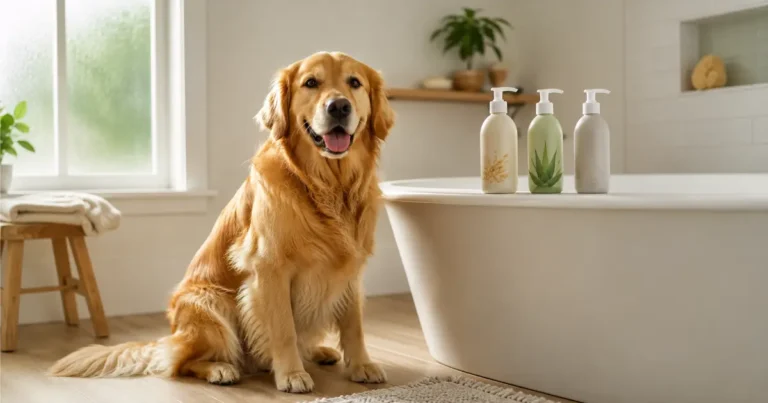
Always use a shampoo formulated specifically for dogs. Human shampoo is designed for a different skin pH than dogs have, and using it genuinely strips protective oils more aggressively than a dog-formulated product would.
According to the AKC, human skin has a pH balance of roughly 5.5 to 5.6, while dogs sit at a more neutral 6.2 to 7.4, a significant enough difference that human shampoo genuinely disrupts a dog’s protective skin barrier.
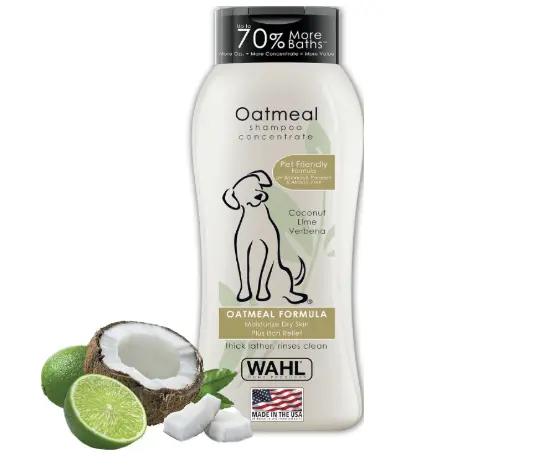
Wahl USA Dry Skin & Itch Relief Pet Shampoo
A gentle shampoo option designed to help soothe dry, itchy skin while cleaning your dog’s coat.
Check Price on Amazon →Regular vs Medicated Shampoo
A regular, gentle shampoo is right for most healthy dogs on a routine bathing schedule. Medicated shampoo, prescribed by a vet for a specific skin condition or parasite treatment, follows different rules entirely and shouldn’t be substituted with a regular product or used on a schedule your vet hasn’t approved.
If your dog needs flea or tick treatment during a bath, follow your veterinarian’s specific instructions for that product, since these schedules often deviate from general bathing guidelines.
Brushing Between Baths, Why It Matters
Regular brushing genuinely changes how often should you bathe your dog by extending the gap between baths while keeping the coat clean and healthy in between.
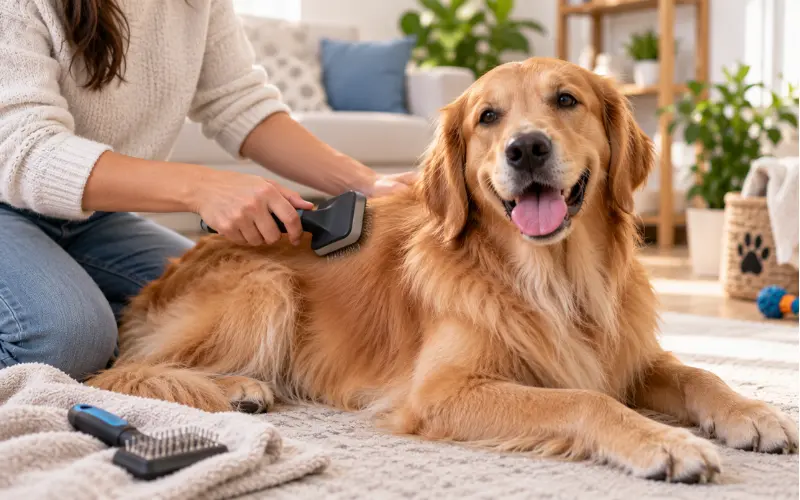
Brushing removes loose hair, dead skin cells, dirt, and debris, while also helping distribute natural skin oils along the coat. This combination keeps coats fresher for longer and can genuinely reduce how often a full bath is actually needed.
- Short-coated dogs: Weekly brushing is typically enough.
- Medium-to-long coated dogs: Several times a week helps prevent matting and tangles.
- Double-coated and heavy shedders: Near-daily brushing during shedding season manages loose undercoat effectively.
A quality brush matched to your dog’s specific coat type can make a genuine difference. A slicker brush works well for double coats, while a bristle brush suits short, smooth coats better. Using the wrong type can miss loose hair or feel uncomfortable for your dog.
For our complete grooming routine that pairs with this bathing schedule, read our complete dog grooming guide at home for beginners.
Common Dog-Bathing Mistakes
These mistakes genuinely undermine even a well-planned answer to how often should you bathe your dog.
- Using human shampoo. Wrong pH for dog skin, strips protective oils more aggressively than dog-formulated products.
- Bathing on a fixed schedule regardless of need. Ignores actual signs your dog needs (or doesn’t need) a bath.
- Not rinsing thoroughly. Leftover shampoo residue is a common, avoidable cause of irritation.
- Using water that’s too hot or too cold. Both create genuine discomfort and can affect skin health over time.
- Skipping the brush-first step. Wet mats and tangles are significantly harder to work through than dry ones.
When to Ask Your Veterinarian
Sometimes figuring out how often should you bathe your dog needs professional input, not just general guidelines.
- Persistent itching, redness, or flaking that doesn’t improve with adjusted bathing frequency
- A strong odor that returns quickly after bathing, which can indicate an underlying skin or ear issue
- Any diagnosed skin condition requiring a specific medicated bathing schedule
- Sudden changes in coat quality or new skin issues in a senior dog
I am a dog owner sharing personal research and experience, not a certified veterinarian or professional groomer. If your dog shows persistent skin irritation, unusual odor despite regular bathing, or any signs of infection, consult your veterinarian rather than adjusting bathing frequency alone.
Frequently Asked Questions (FAQ)
How often should you bathe your dog?
How often should you bathe your dog comes down mainly to coat type, activity level, and skin health. Most dogs do well with a bath every 4 to 6 weeks, with active or oily-coated dogs needing weekly baths, while low-activity, short-coated dogs can often go 2 to 3 months between baths.
How often should I bathe my puppy?
The answer to how often should you bathe your dog shifts significantly for puppies. They shouldn’t be bathed until at least 8 weeks old. After that, bathe only when visibly dirty or smelly rather than on a fixed schedule, since puppy skin is more delicate than adult dog skin.
Can you bathe a dog too much?
Yes. Frequent bathing strips natural oils from the skin and coat, which can lead to dryness, irritation, and a dull coat. Signs of overbathing include flaky skin, increased itching after baths, and a coat that feels stripped or straw-like.
How often should you bathe a dog that swims a lot?
Swimming changes how often should you bathe your dog. A thorough water rinse after routine swims is often enough to remove salt, chlorine, or bacteria. Reserve a full shampoo bath for visibly dirty or particularly messy outings rather than after every single swim.
What’s the best shampoo for regular dog baths?
Once you know how often should you bathe your dog, the right shampoo matters just as much. A gentle, dog-specific shampoo formulated for your dog’s skin pH works for most healthy dogs on a routine schedule. Dogs with diagnosed skin conditions need a vet-prescribed medicated shampoo instead of a regular product.
Do short-haired dogs need fewer baths?
Not necessarily, which is part of why how often should you bathe your dog is more nuanced than coat length alone. Coat texture matters more than length, some short-coated breeds have oily skin requiring frequent bathing, while some longer-coated breeds naturally repel dirt and need less frequent washing than their coat length suggests.
Finding Your Dog’s Real Bathing Rhythm, Final Thoughts
My neighbor’s weekly-bathed Labrador and my own dog’s once-every-2-months routine both work because we’re each answering how often should you bathe your dog based on what our specific dogs actually need, not chasing a single “correct” number that applies to every dog equally.
Three things to take with you.
- Coat type and activity level matter more than any fixed schedule. The decision table above is a genuine starting point, not a rule to follow blindly regardless of your dog’s specific situation.
- Watch for real signs, not just the calendar. A dog that smells clean and has healthy skin doesn’t need a bath just because a set number of weeks passed.
- When bathing frequency and skin health don’t match up, adjust the frequency first. Both too much and too little bathing show up as skin and coat problems, and the fix is usually simpler than it seems.
For our complete grooming routine that builds on everything covered here, read our complete dog grooming guide at home for beginners.

Pingback: Senior Dog Care Guide: Health and Happiness (2026)