


There’s golden fur on the couch, on the car seat and somehow on your work clothes. After a weekend at the lake, your dog smells like wet dog for two days. And when you run a hand down the back legs, the fluffy “pants” are full of burrs and little tangles.
Golden Retrievers are easy dogs in almost every way except one: that beautiful coat needs regular care. Skip it, and you get mats, more hair around the house, and skin problems hiding under the fur.
The good news is that golden retriever grooming doesn’t take a salon. A brush, a comb, a few minutes a week and a smart routine cover most of it. This guide gives you:
- A simple grooming schedule for normal weeks and shedding season
- A step-by-step home routine, including easy trims for feet, ears and feathers
- Why you shouldn’t shave a Golden, and how to prevent hot spots
Golden retriever grooming means brushing 2 to 3 times a week (daily during heavy shedding) with a pin or slicker brush and a metal comb, bathing about once a month, and drying the coat all the way to the skin.
Trim the feet, ears and tail with scissors, keep nails short and check ears weekly. Don’t shave a Golden’s double coat.
Why Golden Retriever Grooming Matters
Golden Retrievers have a double coat: a soft, dense undercoat close to the skin and a longer, water-resistant outer coat on top. They also have longer “feathering” on the backs of the legs, the chest, the belly and the tail.
That coat is built for a working retriever. It sheds water and protects the skin. But at home it creates three common problems:
- Loose undercoat builds up and ends up on your floors and furniture.
- Tangles and mats form in the feathering, behind the ears and in the “pants” on the back legs.
- Moisture gets trapped next to the skin after swims, baths or rainy walks.
That last one matters more than most owners realize. A dense coat that stays damp against the skin is one of the things linked to hot spots, the red, moist, painful skin patches that Goldens seem especially prone to.
Golden Retrievers have a dense double coat that can trap moisture against the skin.
Regular brushing and drying the coat all the way down to the skin after baths and swims are two of the simplest ways to help prevent hot spots.
Golden Retriever Grooming Schedule
There’s no single vet-set schedule for Goldens. The table below is a practical starting point based on guidance from the American Kennel Club and Golden Retriever rescue groups. Adjust it for your dog’s coat, activity and how often they swim.
The AKC’s grooming guide suggests brushing with a pin brush daily during heavy shedding and weekly at other times, plus a monthly bath for a family Golden, and checking the ears every week (AKC). Brushing a little more often than that, 2 to 3 times a week, makes each session faster and keeps tangles from building in the feathering.
Tie brushing to something you already do, like the evening TV show or the walk after dinner.
Ten minutes on a couple of set days each week is much easier to keep up than one long session once the house is covered in fur.
The Tools You Need
A few good tools cover almost everything you’ll do at home:
- Pin brush or slicker brush. Your main brush. It reaches through the outer coat into the undercoat.
- Metal comb (medium to wide teeth). For the comb check, and for working through the feathering and behind the ears.
- Undercoat rake. Helpful during heavy shedding to loosen dense undercoat. Use it gently.
- Thinning shears and round-tip scissors. For tidying the feet, ears and feathering. No electric clippers needed.
- Nail clippers or a grinder, plus styptic powder.
- A dryer with a cool or low setting. A Golden’s coat takes a long time to dry, and drying matters for skin health.
What about bristle brushes? Advice differs. The AKC warns that a bristle brush won’t get through a Golden’s thick coat (AKC), while one Golden rescue group lists a good bristle brush in its toolkit (GRRMF). Both can be true. A bristle brush is nice for a final polish, but it shouldn’t be your main tool, because it mostly smooths the top layer.
For help choosing a brush, our guide to the best dog brush for shedding compares options for medium double coats like a Golden’s.
How to Groom a Golden Retriever at Home, Step by Step
You don’t need a grooming table or a professional dryer to keep a Golden looking and feeling good. Here’s the routine in the order that works best on a full grooming day.
Step 1: Line Brush, Then Comb
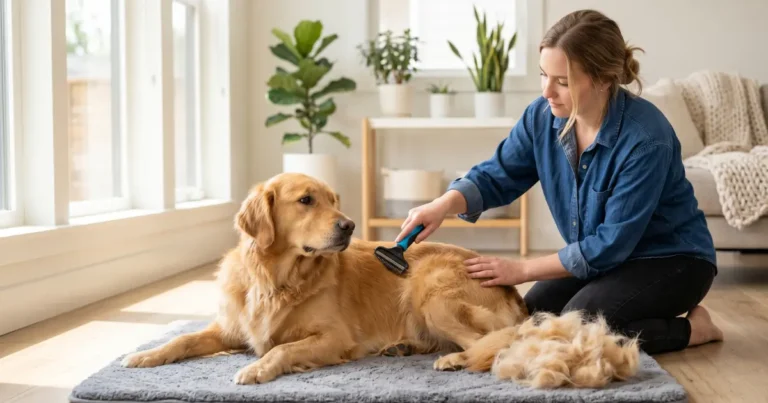
Brushing over the top of a Golden’s coat makes it look neat, but it leaves loose undercoat and small tangles underneath. Line brushing reaches all the way to the skin.
- Start at a back leg. Lift the hair with one hand so you can see a line of skin.
- Brush the hair below that line down and away with a pin or slicker brush, in short, gentle strokes.
- Let down a new thin layer and repeat, working up the leg, along the body, then the chest and neck.
- Pay extra attention to the feathering, the “pants”, behind the ears and under the front legs. Those are the usual tangle spots.
- Finish with a comb check. Run a metal comb from skin to tip. If it glides, you’re done. If it catches, work that spot again.
During shedding season, add a few gentle passes with an undercoat rake before the brush. For a full deshedding routine, see our guide on how to deshed a dog at home.

Step 2: Bath (Brush First)
Always brush before a bath. Water tightens small tangles and turns them into mats that are much harder to remove.
Use a dog shampoo and work it all the way down through the dense undercoat to the skin. Then rinse for longer than seems necessary. Shampoo left in a thick double coat can irritate the skin. A light conditioner makes brushing easier afterward.
Step 3: Dry All the Way to the Skin
This is the step most owners rush, and it’s one of the most important for a Golden.
The outer coat can feel dry while the undercoat underneath is still damp. Trapped moisture against the skin is linked to hot spots. Golden Retriever breeder and groomer Joanne Lastoka, writing for the Golden Retriever Club of America, stresses drying the coat completely down to the skin to help prevent hot spots (GRCA).
- Towel dry first, pressing rather than rubbing.
- Use a dryer on a cool or low setting, keeping it moving and brushing as you go.
- Check the dense spots: the base of the tail, the chest, behind the ears and the “pants”.
- After a swim, rinse off lake or pool water and dry the same way, including inside the ear flaps.
Never use a hot setting or leave a dryer running unattended on your dog.
Hold it a few inches away and keep it moving. Hot air on one spot can burn the skin.
Step 4: Trim the Nails
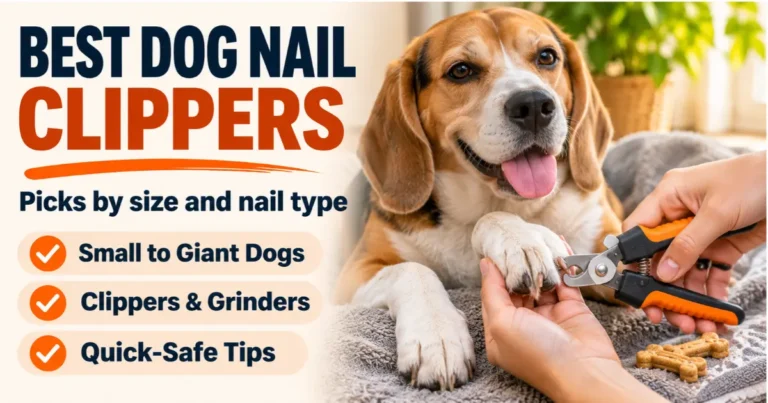
Goldens’ nails grow fast, and long nails change how a dog walks. The AKC suggests clipping about once a month with clippers or a rotary tool, and more often if your dog doesn’t walk on hard surfaces (AKC). Keep styptic powder nearby in case you nick the quick. Our guide to the best dog nail clippers can help you choose a tool sized for a large dog.
Step 5: Check and Clean the Ears
Goldens have floppy ears that can stay warm and damp, especially after swimming. Check them every week. Wipe the outer ear with a cotton pad and dog ear cleaner if they look dirty, and always dry them after baths and swims. For a step-by-step method, see how to clean dog ears at home.
Simple Pet Trims: Feet, Ears, Feathers and Tail
Show Goldens get hours of careful scissoring. Your family Golden just needs a tidy-up every month or two to stay neat and clean. You only need round-tip scissors and thinning shears, not clippers. The Golden Retriever Club of America’s grooming guide goes as far as saying electric clippers have no place in a Golden’s grooming kit.

- Feet: Trim the hair on the bottom of the paw level with the pads so your dog doesn’t slip on smooth floors. Then tidy the hair around the edge of the foot for a neat, rounded shape. The GRCA guide advises not digging between the pads.
- Ears: Lightly thin the fluffy hair at the base of the ear and trim the outer edge for a neat outline. Take off small amounts at a time.
- Feathering: Use thinning shears to tidy straggly ends on the legs and chest, but don’t clip the feathering short. The AKC advises against clipping the feathers under the body, legs and tail and recommends thinning scissors instead.
- Tail: For a tidy look, trim the feathering into a soft fan that reaches about to the hock (the “ankle” on the back leg).
Trim a little, then step back and look.
It’s easy to keep snipping and end up with a bald patch. You can always take more off next weekend, but you can’t put hair back. Spreading trims over a few short sessions is easier on you and your dog.
Should You Shave a Golden Retriever?
It’s tempting on a hot July afternoon, but most Golden experts agree: don’t shave your Golden.
A Golden’s double coat works as insulation in both directions. It helps keep out cold in winter and helps shield the skin from heat and sun in summer. The AKC’s Golden grooming guide says plainly not to shave or clip the coat (AKC), and its general guidance on shaving dogs notes that shaving can disrupt the coat’s insulating layer and lead to patchy regrowth (AKC). The Golden Retriever rescue group GRRMF adds that shaving doesn’t stop shedding and exposes more skin to the sun (GRRMF).
So a “shaved golden retriever” isn’t cooler or less hairy. They just shed shorter hairs and lose the coat’s natural protection.
Shaving a Golden Retriever doesn’t stop shedding and can leave the double coat growing back patchy.
Brushing out loose undercoat is the better way to help a Golden stay comfortable in hot weather.
What to do in summer instead:
- Brush out loose undercoat more often so air can move through the coat
- Walk in the early morning or evening and skip the hottest part of the day
- Give plenty of shade and fresh water, and let your Golden swim (then dry them well)
- Ask your groomer for a neat tidy of the feet and feathering, not a shave-down
There are rare exceptions, such as a vet clipping an area for surgery or a severely matted coat that can’t be saved. That decision belongs to your vet or an experienced groomer, not a summer haircut.
Hot Spots and Ear Infections: When to Call the Vet
Grooming isn’t only about looks. For Goldens, it’s also one of the best ways to catch two common problems early.
Hot spots (also called acute moist dermatitis) are red, moist, often painful patches of inflamed, infected skin that can appear and spread quickly (AKC). A veterinary clinic handout edited by a board-certified veterinary dermatologist lists Golden Retrievers among the breeds that seem predisposed, and notes that hot spots are more common in hot, humid weather and often start with itching from something else, such as fleas or allergies (Niles Animal Hospital).
Ear infections are also common in the breed. One Golden Retriever rescue group notes that Goldens tend to get ear infections and recommends checking and cleaning the ears regularly (GRRMF).
Routine: mention it at the next checkup
- A little more scratching than usual, but the skin looks normal
- Light, normal-looking ear wax
Soon: book a vet visit within a day or two
- A red, moist or oozing patch of skin, or matted, wet-looking fur in one spot
- Your dog keeps licking, chewing or scratching one area
- Ears that smell bad, look red, or have dark or yellow discharge
- Head shaking or rubbing an ear on the floor
Right away: call your vet today
- A hot spot that’s spreading quickly or is very painful to touch
- A swollen ear flap, or your dog tilting the head or losing balance
- Skin or ear problems along with lethargy, fever or not eating
Don’t treat hot spots or ear infections with home remedies.
Hot spots often need the area clipped and cleaned by a vet, and an infected ear needs the right diagnosis first. Regular brushing, drying to the skin and flea prevention help lower the risk.
Grooming a Golden Puppy or Senior
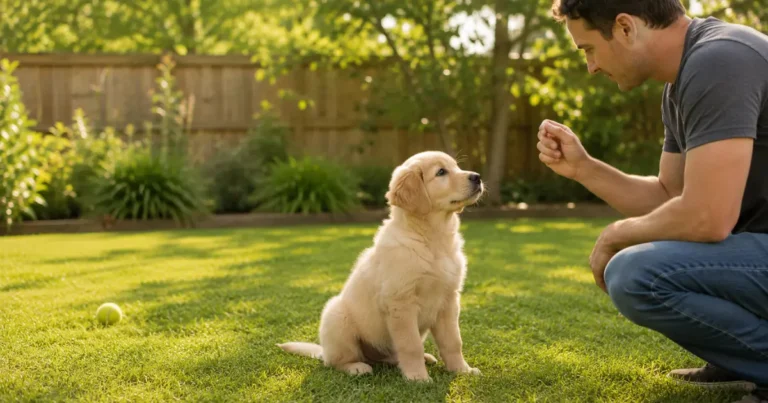
Puppies: Start early, even when there’s barely any coat to brush. Short, happy sessions teach your puppy to accept handling for life.
- Touch the paws, ears and mouth every day, with treats.
- Brush gently for a few minutes with a soft brush.
- Get your puppy used to the sound of a dryer on the lowest, coolest setting.
- Trim just the tips of the nails, and keep it positive.
Wondering how much your Golden will shed through the year? See do golden retrievers shed. For more on raising a young Golden, see our Golden Retriever puppy training guide.
Seniors: Older Goldens still need grooming, maybe even more. Keep sessions shorter, use a non-slip mat, and let them lie down while you brush. Grooming time is also a good chance to feel for new lumps, sore spots or thinning skin, and to mention anything new to your vet.
DIY vs. Professional Golden Retriever Grooming
When it comes to grooming golden retrievers, most owners can handle almost everything at home: brushing, baths, drying, nails, ears and simple trims. A professional groomer is helpful for a full bath-and-blowout during shedding season, a neater scissor trim, or a dog who won’t sit still for nails.
If you use a groomer, choose one who’s comfortable with double-coated breeds. Ask for a bath, a thorough deshed and a scissor tidy of the feet, ears and feathering, and say clearly that you don’t want the body shaved or clipped.

This article is for general information only.
PawWellCare is not a veterinarian, and this content doesn’t replace professional veterinary care. If your Golden Retriever has a hot spot, an ear problem, hair loss or any other health concern, please talk to your veterinarian.
Frequently Asked Questions (FAQ)
Do golden retrievers need to be groomed?
Yes. Goldens don’t need haircuts, but their double coat needs regular brushing, occasional baths, nail trims and ear checks to prevent mats, reduce shedding around the house and keep the skin healthy.
How often should a golden retriever be groomed?
Brush 2 to 3 times a week, and daily during heavy shedding. Bathe about once a month, trim nails monthly and check ears weekly. A tidy of the feet, ears and feathering every 4 to 8 weeks keeps them neat.
Can I groom my golden retriever at home?
Yes. Most Golden grooming is easy to do at home with a pin or slicker brush, a metal comb, an undercoat rake, scissors and nail clippers. Use a groomer for a deep deshed or if trims make you nervous.
Should I shave my golden retriever in the summer?
No. A Golden’s double coat helps protect against heat and sun, and shaving can lead to patchy regrowth without stopping shedding. Brush out loose undercoat, and provide shade, water and cooler walking times instead.
What is the best brush for a golden retriever?
A pin brush or slicker brush paired with a metal comb works best for most Goldens. Add an undercoat rake during shedding season. A bristle brush is fine for a final polish but shouldn’t be your main tool.
How often should I bathe a golden retriever?
About once a month for most family Goldens, or when they’re dirty or smelly. Always brush first, rinse well and dry the coat all the way to the skin.
A Healthy Coat Starts at Home
Golden retriever grooming comes down to a few steady habits:
- Brush to the skin a few times a week, and every day in shedding season
- Dry completely after every bath and swim to help prevent hot spots
- Trim with scissors, never shave, and keep an eye on ears and skin
Good coat care starts in the bowl too, so see our best dog food for golden retrievers guide if you are choosing a food. This week, do one full line-brushing session with a comb check and see how much undercoat comes out. For nails, teeth and the rest of the routine, our complete dog grooming guide for beginners has you covered.

Pingback: Best Dog Brush for Shedding (2026): Deshedding Tools by Coat Type
Pingback: Golden Retriever Puppy Training, Step-by-Step Guide (2026)
Pingback: Do Golden Retrievers Shed? How Much, When & What Helps